

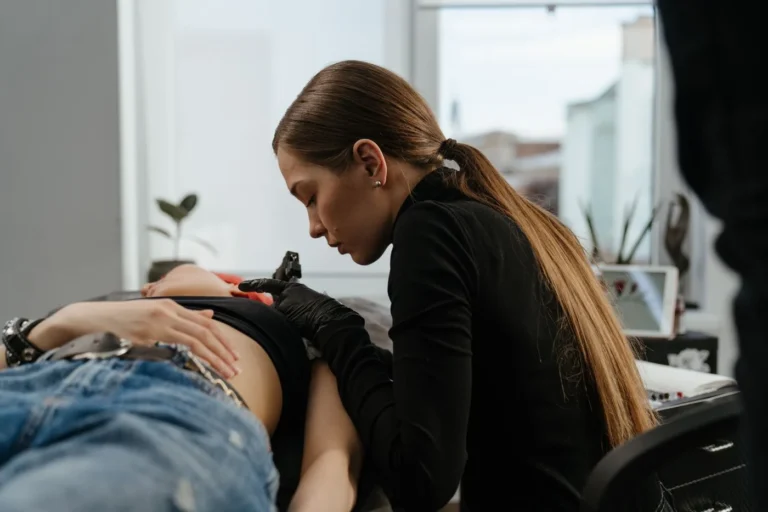
We may earn from ads and some links. How we work.
A first tattoo is less a single brave afternoon than a short project. There is the idea, the artist, the consult, the stencil, the session and then a couple of quiet weeks while the skin catches up. People get stuck at the first step because they think they need a perfect, original masterpiece. You do not. You need a design you will still want when the novelty fades, placed where you can live with it, done by someone whose healed work you trust.
This is the order I walk readers through when they write to say they are ready and also slightly terrified. Along the way I will point to the tools and guides on Tattoo Flair so you are not trying to hold every detail in your head at once.
1. Start with a feeling, then find a shape
Write down why you want the tattoo, even if the reason is simply that you have wanted one for years and you are tired of waiting. Then write down anything that is already off the table: a visible neck piece, someone else’s handwriting, a name you might not want in five years.
From there, collect references without falling in love with any single photo. Three to six images that share a mood are more useful than forty random saves. If you want meaning built in from the start, browse the faith, fine-line or meaningful hubs rather than scrolling endlessly through every category on the site.
If this is also a memorial, slow down an extra beat and read how to plan a tribute before you book. Grief makes it tempting to say yes to the first design that feels emotional in the moment.
2. Choose a placement on purpose
Placement changes pain, healing, fading and how public the tattoo will be at work or at dinner. A small fine-line piece on the outer upper arm is a different first tattoo than the same design on a rib or a finger.
I would rather a first tattoo live somewhere you can cover if you want to, in a size your artist is happy to stand behind. The placement guide explains how common spots feel and age, and the Placement & Pain Finder is there if you want to compare them quickly. Our older basics note Where Should I Get My First Tattoo? is still a useful, shorter take.
3. Find an artist for the style you actually want
Look at healed work first. Anyone can post a glossy photo taken ten minutes after the session. What you want is a grid that includes pieces months later, in the style you are asking for. A wonderful traditional artist may not be the right person for a tiny verse. A fine-line specialist may not be the right person for a bold American eagle.
Read How Do I Find a Good Tattoo Artist? if you want a fuller checklist. In short: confirm they work in a clean studio, ask how they handle consults and deposits, and never ask them to copy another living artist’s tattoo line for line. Bring that work as inspiration and let them draw a version that belongs to you.
4. Ask about cost like a grown-up
Most shops have a minimum. Many artists quote by the project or by the hour. The Tattoo Cost Estimator gives a planning range based on published shop minimums and hourly rates, clearly labelled as an estimate. Use it to decide whether you are budgeting for a small symbol this year or saving for something larger, then ask the artist for a real quote.
Find out what the deposit covers, whether a touch-up visit is included and how they prefer to be paid. If a price seems far below everyone else in your city for the same size and style, ask yourself why. Our basics article How Much Does a Tattoo Cost? fills in more of the context.
5. The consult and the stencil
A good consult feels like a conversation, not a sales pitch. You should leave knowing the rough size, placement, whether the design will be custom-drawn and what aftercare they want you to follow. Bring your one-sentence why, your references and any wording written out exactly, including punctuation and the translation of a verse.
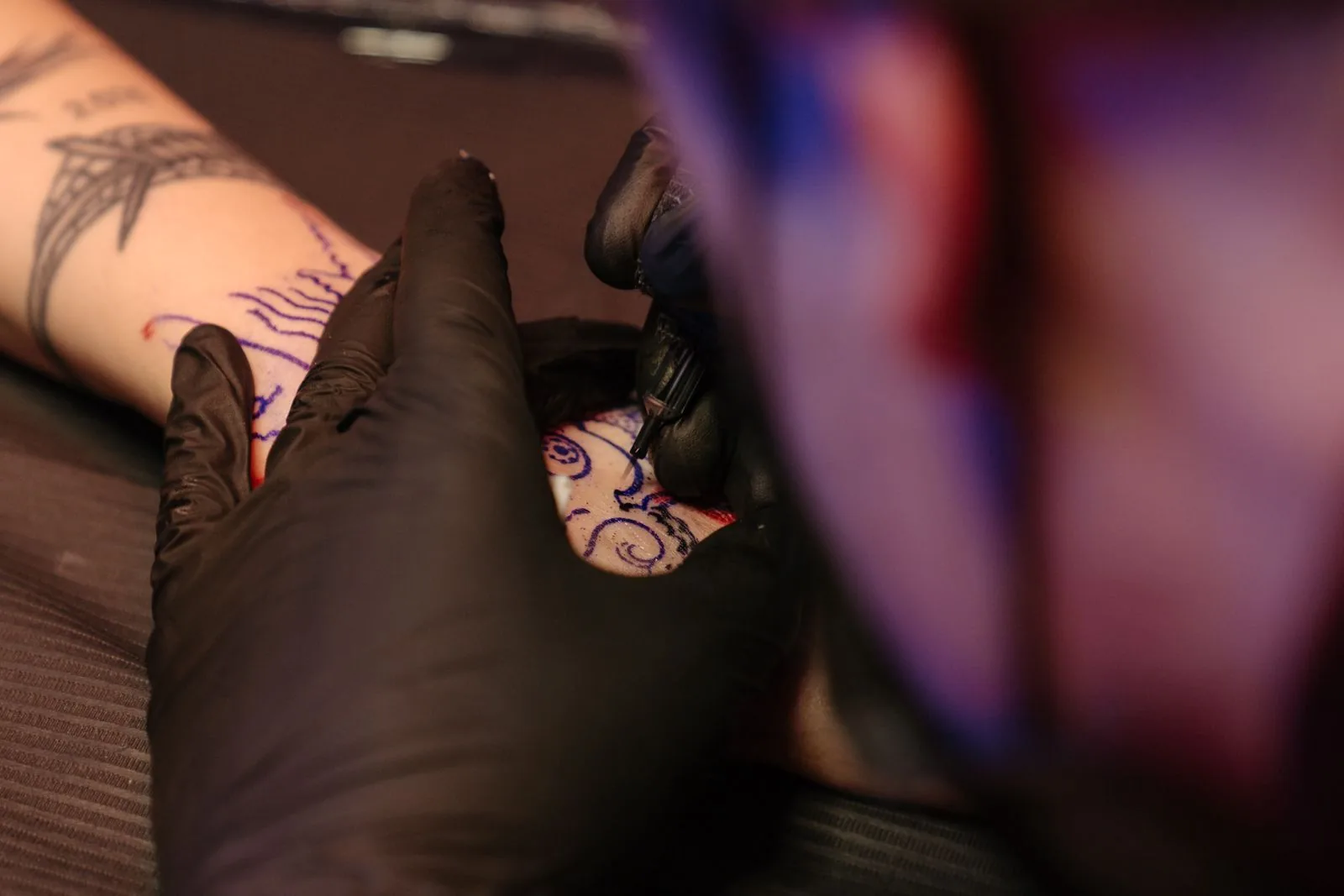
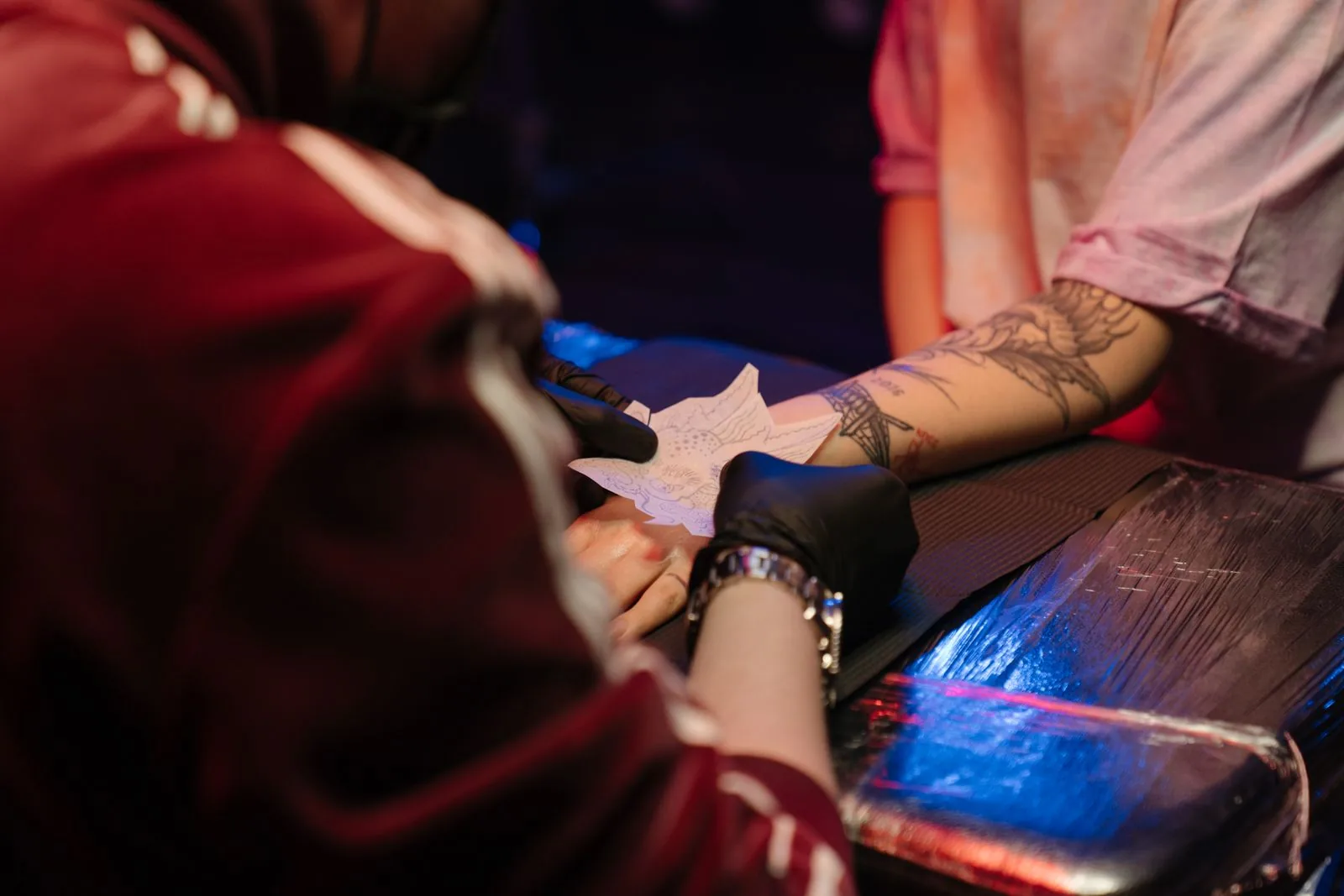
On the day, you will see a stencil on your skin before anyone picks up a machine. Look at it in a mirror, sit down, raise your arm, twist your wrist. This is the last easy moment to ask for a shift of a centimetre. Artists expect that. What they cannot do later is move a tattoo that has already been inked.
6. The session itself
Eat beforehand. Wear clothes that give easy access to the spot without leaving you stranded in a cold room. Bring water and something to listen to if you like. The first few minutes are usually the strangest. After that, many people settle into a rhythm of sensation that is sharp but manageable, especially on fleshy areas and in a short session.
If you need a break, say so. If something about the stencil still bothers you once you are in the chair, say so then too. For a calmer sense of what the sensation is like, Does Getting a Tattoo Hurt? is the straight version of that answer.
7. Healing is part of the tattoo
The tattoo is not finished when you walk out. Those first two weeks decide whether the lines you paid for stay as clear as they can. Wash as instructed, keep your hands off the peeling skin and keep the piece out of pools, baths and direct sun until your artist says otherwise.
The Aftercare Timeline can sit on your phone as a day-by-day reminder. If you chose fine line, read how those tattoos heal, fade and age so the way the piece settles does not surprise you.
A first-tattoo checklist
- One sentence about why you want it.
- A placement you can cover if you want to.
- An artist whose healed work matches the style.
- Wording written out exactly, if there is any.
- A clear quote, deposit and aftercare plan.
- Time off swimming, heavy gym sessions or a hot holiday in the first couple of weeks if you can swing it.
When you are ready to browse again, start with Tattoo Basics or jump straight into a hub that matches the idea you wrote down. And if you want a person to go with the advice, I am Vanessa. I cannot sit in the chair for you, but I can help you walk in already knowing what to ask.
