

We may earn from ads and some links. How we work.
A memorial tattoo is a conversation you will keep having with your own skin. That is why I ask people not to rush it, even when the urge to do something, anything, arrives in the first raw weeks. The best tribute pieces I see were given time to become specific: a particular line of handwriting, a date that mattered, a flower that belonged to one person, a paw print taken from a card the vet made.
This is a planning guide, not a gallery of invented stories. I cannot tell you what your person would have wanted. I can walk you through the choices readers wrestle with and the practical questions to take to an artist. For tributes that artists have already shared publicly, with the story attached, there is a separate Real Ink feature: Memorial Tattoos With Real Stories.
Give the decision a little time
There is no moral prize for waiting, and there is no shame in wanting the tattoo soon. There is only the fact that grief changes shape. A design that feels exactly right in the first month can feel too loud, or too vague, half a year later. If you can, live with a sketch or a written note for a while. If you cannot wait, keep the design simple enough that it can grow later: a date and a small mark now, a larger piece when you know more about how you want to remember them.
Start with what already exists
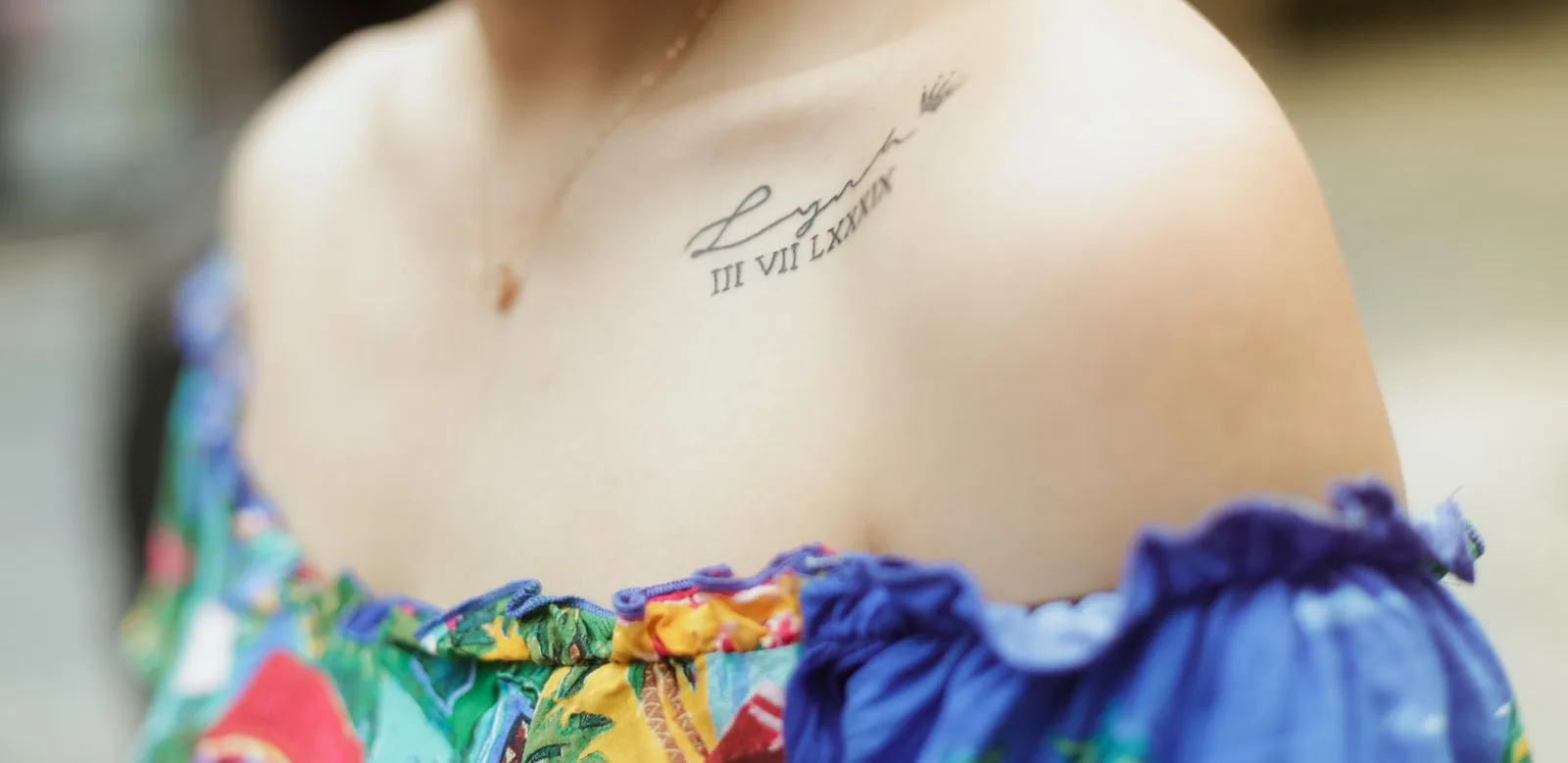
Handwriting is the request I hear most, and for good reason. A signature, a “love you” from the bottom of a card or a nickname in their print is something no flash sheet can invent. Bring the clearest scan or photo you have. Your artist can clean it up without sanding away the wobble that makes it theirs.
Dates are the next most common building block. Some people want the full run of years. Others want a single day. Either can work if the numbers are large enough to keep. Tiny stacked dates on a finger or inner wrist are some of the first memorial tattoos to blur.
Birth flowers, a favourite tree, a bird they always pointed out, a recipe card, a fishing fly, a bar of music: these are often stronger than a generic heart. If the person you are remembering loved gardens, the Animals & Nature hub and later the botanical Real Ink feature can help you look at how flowers actually sit on skin. If the tribute is a pet, a paw print taken from ink on paper will usually last better than a tiny realistic portrait crammed into a two-centimetre square.
Portraits need room and the right artist
A face is a different kind of tattoo than a date. It needs an artist who already does healed portrait work, and it needs space. A postage-stamp portrait is how likenesses disappear. If you want a face, be prepared to give it the room a face requires, and look at healed portraits in that artist’s portfolio rather than only the fresh ones.
It is also all right not to want a face. Many of the most lasting tributes I have seen are objects and words. There is no hierarchy of love in that choice.
Placement for something you will live with
Some people want the tattoo where they can see it every day: the inner forearm, the wrist, the side of a finger. Others want it where they can choose who sees it: the ribs, the chest, the shoulder blade, the outer thigh. Neither choice is more devoted than the other.
Think about clothing, work and sun the same way you would for any other tattoo, then add one more question: do you want to be asked about it by strangers? A name across the collarbone will start conversations. A mark over the heart usually will not. The placement guide and pain finder can help you weigh those spots without pretending the decision is only about comfort.
Working with your artist
Bring the story in a few sentences, not a eulogy. Artists do better work when they know what the piece has to do. “I want my mother’s handwriting from this birthday card, on my inner forearm, large enough to stay readable” is a brief they can draw from.
Do not ask them to copy another artist’s memorial design. That piece already belongs to someone else’s grief. Take the idea (handwriting plus a small flower, a date beside a simple symbol) and let your artist make a version that is yours.
Ask about size even if you feel sentimental about keeping it tiny. A tribute that has to be explained because no one, including you, can read it anymore is a hard thing to wear. Fine script follows the same rules I talk about in short Bible verse tattoos and in how fine-line tattoos heal.
After the session
Healing a memorial tattoo is the same work as healing any other piece, with the extra tenderness that you may feel more protective of it. Follow your artist’s aftercare. The Aftercare Timeline can sit beside those instructions if you like a calendar view. If the days after the session feel heavier than you expected, that is not unusual. You have just spent hours looking at something that matters.
A planning list you can take to a consult
- Who you are remembering, in one or two sentences.
- Any handwriting, dates or objects you already have.
- Whether you want the piece to be public or private.
- A placement you have already thought about.
- Healed examples from the artist, in a similar style.
- Permission, if you need it from yourself, to keep the design simple.
When you want to look at ideas rather than plans, the Meaningful tattoos hub gathers memorial, family and heritage pieces, including tattoos for past loved ones. And if you are an artist or a family member who sees a tribute here that should not be, write to me at the address on the contact page. These pieces deserve careful handling.
