

We may earn from ads and some links. How we work.
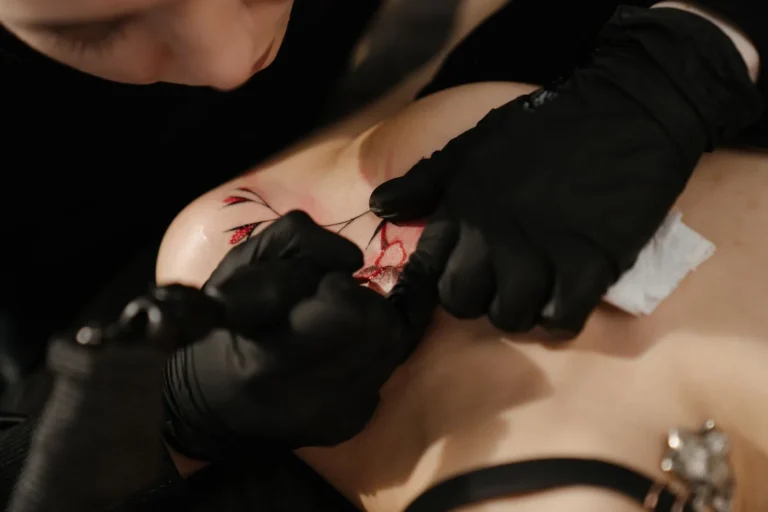
Fine-line tattoos photograph like a whisper on day one. The skin is still a little glossy, the lines look engraved and every tiny leaf or letter is exactly where the stencil put it. A month later the same piece has usually settled. The shine is gone, the lines have relaxed into the skin and some of the smallest splits have softened.
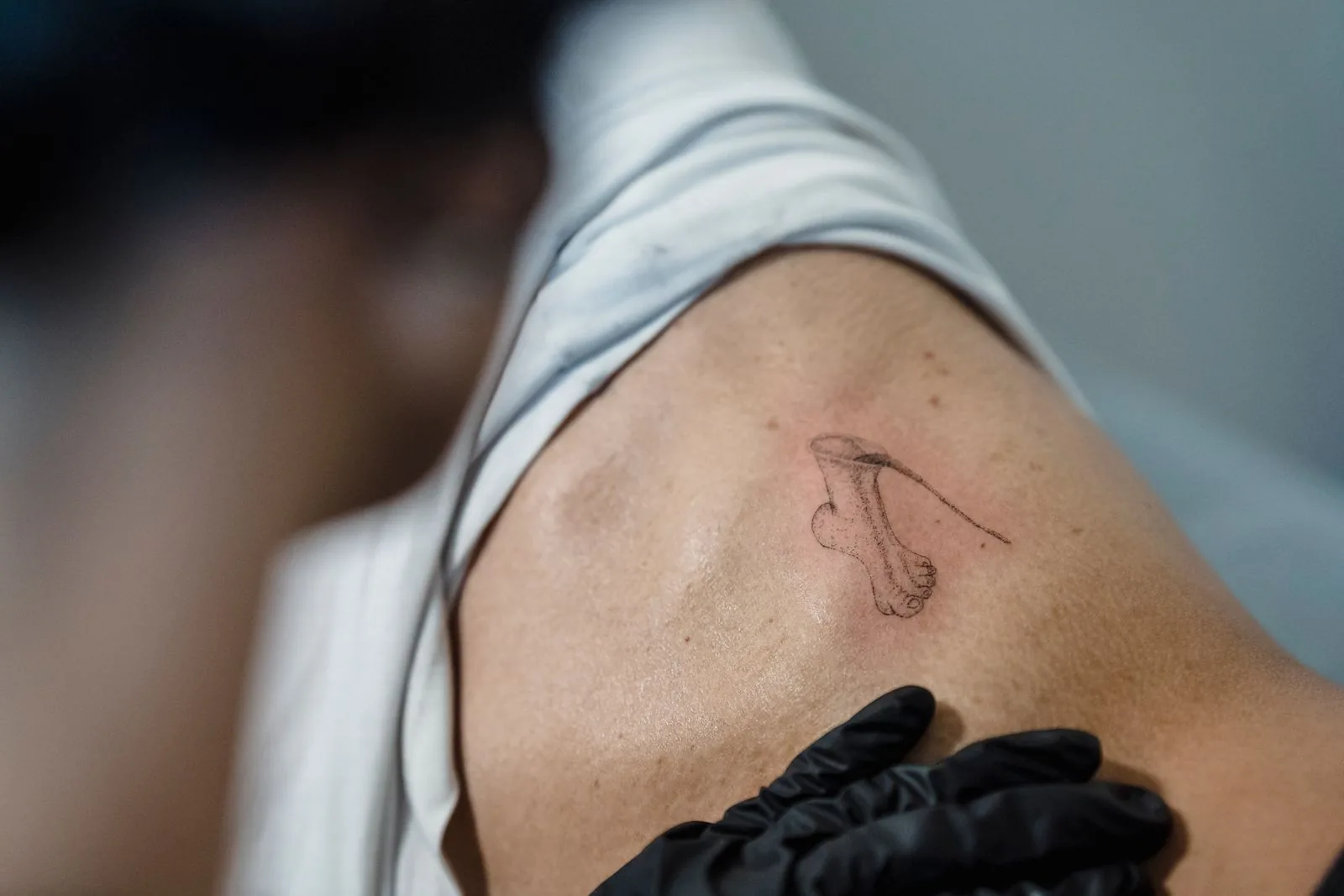
That change is not a defect. It is how fine line lives on a body. I wrote this guide for the questions I hear constantly: how a fine-line tattoo heals, why some pieces fade faster than others, and what you can actually do to help yours last. If you want to see the difference on real skin, the companion feature Fine-Line Tattoos, Fresh vs Healed collects credited examples from artists who publish both stages.
What people mean by fine line
Fine line is less a single style than a way of drawing: fewer needles, thinner marks, more open space and often a single sitting for a small design. It suits first tattoos, script, tiny symbols and botanicals that would feel heavy in traditional packing.
It is also less forgiving than people hope. A traditional rose is built from outlines and solid colour that still read when the edges soften. A fine-line wildflower is built from the edges themselves. When those edges blur, the flower has less to fall back on. That is why I treat healed portfolios as more important here than anywhere else on the site. Browse the Fine-Line & Small hub with that in mind: look past the pretty fresh photos and ask what the same artist’s work looks like six months later.
The first two weeks
Right after the session the skin is busy. You may see redness, a little swelling and a tightness that feels like a mild sunburn. Some artists send you home in a breathable bandage, others in a second-skin wrap that stays on for a few days. Follow their sheet, not a stranger’s comment thread.
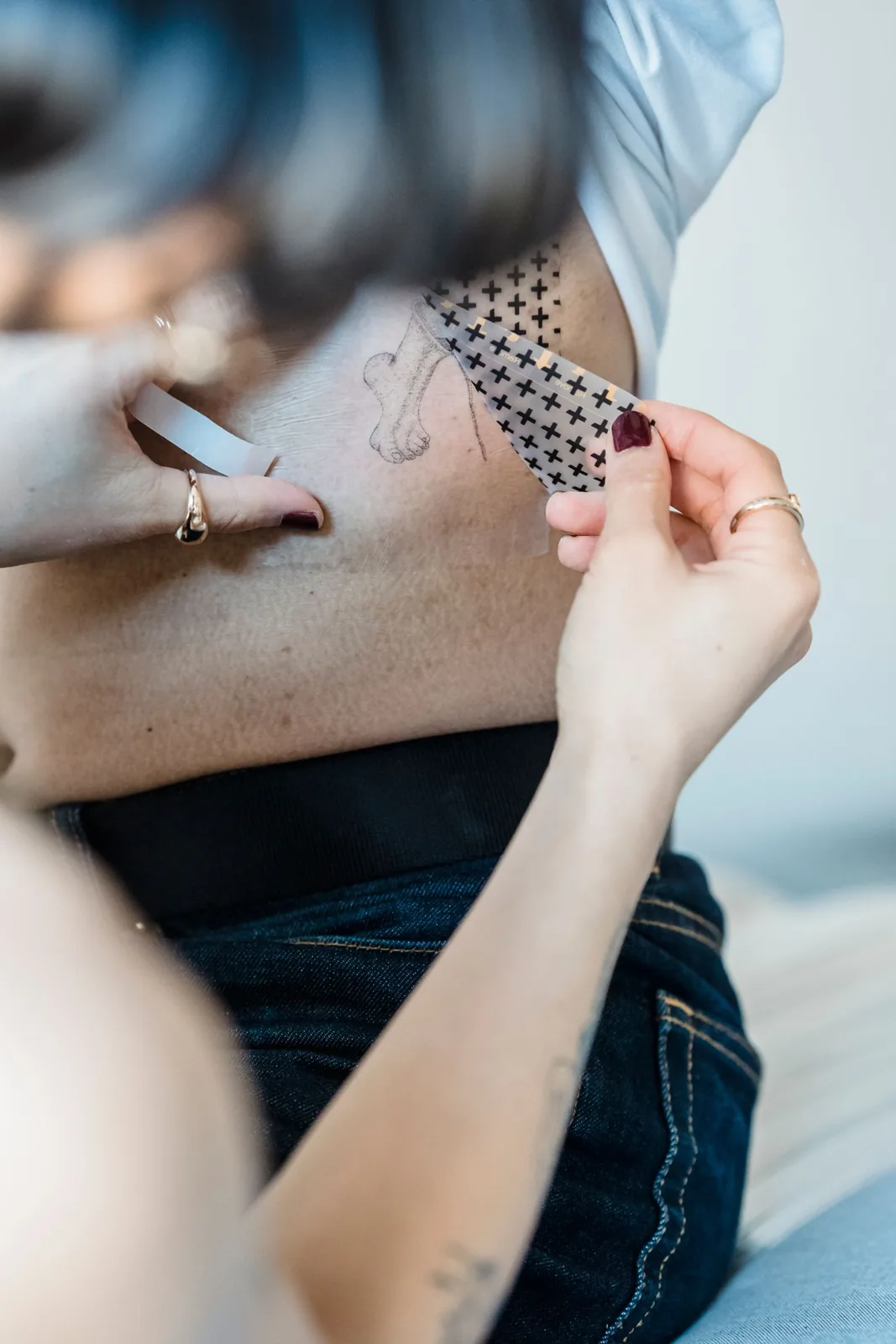
Once the wrap comes off, a simple rhythm works for most people: wash with lukewarm water and a mild unscented soap, pat dry and use a thin layer of the lotion or ointment your artist named. Do not pick the light scabbing or peeling that shows up toward the end of the first week. Picking is one of the few ways you can genuinely take colour out of a fine-line piece.
The Aftercare Timeline turns those stages into a calendar if you enter your tattoo date. It is general information, built from published dermatology advice. If your artist’s instructions disagree with it, your artist wins. They saw your skin and the ink they used.
What “healed” actually looks like
Most fine-line tattoos look their most settled somewhere between four and twelve weeks. The surface may look calm earlier than that, while the deeper skin is still catching up. Colour, if there is any, often drops a little as the inflammation leaves.
A healed fine-line tattoo should still read as the same design. Lines may look a touch less sharp than the fresh photo, the way ink on paper looks once it has dried into the fibers. What you do not want is letters closing up, leaves merging into a single smudge or a name that only you can still decipher.
If a healed photo in an artist’s grid looks misty and vague, that is information. Some of that is style. Some of it is overworked skin, ink placed too shallow, or a design that was simply too small for the spot.
Why some fine-line tattoos fade faster
Placement comes first. Hands, fingers, feet, the inner wrist and anywhere clothing rubs all ask more of a delicate tattoo. Sun is next. A collarbone piece that spends every summer uncovered will age faster than the same design on an outer upper arm that lives under sleeves for half the year. The placement guide walks through those tradeoffs, and the pain finder adds typical comfort notes for each area.
Line weight and spacing matter just as much. Two fine lines drawn almost on top of each other can look exquisite on day one and like a single wider line later. A good fine-line artist leaves air between marks on purpose. If a draft feels busy on the stencil, it will not become clearer in the skin.
Your skin and your habits play a part too. Very sun-exposed skin, frequent swimming in bright outdoor light and skipping moisturizer all add up. None of this means fine line is a bad idea. It means the design has to be planned for a body, not for a close-up photo.
How to give a fine-line tattoo a longer life
Choose the artist for their healed work, not their waiting list. Ask to see pieces at the size you want, in a similar placement, after several months. That single request filters a lot of pretty grids.
Let them talk you out of a size that will not last. I have never heard a reader regret giving a verse or a botanical a little more room. I have heard plenty of regret about a name that was too small to keep.
Protect it like skin you care about. A broad-spectrum sunscreen once it is ready for sun, a basic moisturizer and patience during those first two weeks do more than specialty products. Plan on the possibility of a tidy touch-up after it has fully settled, especially on high-movement or high-sun spots. Many artists include a touch-up window in the original price; ask before you book.
If this is also your first tattoo, read the step-by-step guide so the healing notes sit in the larger process of finding an artist and sitting for the session.
Fine line compared with nearby styles
People often ask whether they should pick fine line or micro-realism, or fine line or traditional, as if one were the grown-up version of the other. They are different tools. Micro-realism uses very fine marks to build a picture with shade and focus, and it usually needs more space than a simple outline. Traditional uses bolder lines and solid colour so the design still shouts from across a table in twenty years.
A small cross or a single stem of lavender can be a wonderful fine-line tattoo. A family portrait or a dense bouquet may want a different approach. There is no prize for choosing the thinnest possible line.
When to write your artist, and when to write a clinician
Normal healing includes redness that fades, mild swelling the first day or two, itchiness and light peeling. Write your artist if you are unsure whether what you are seeing matches what they expect.
Spreading redness, increasing pain after the first couple of days, yellow or green drainage, red streaks, fever or a raised itchy rash beyond the tattoo are reasons to contact a clinician as well. This guide is not medical advice, and a website should not be the person who decides whether an infection is brewing.
A last look before you book
Fine line can age beautifully when the design has room, the artist understands healed skin and you are willing to care for it like any other part of you that sees the sun. If you want ideas after this, the fine-line hub is the best next stop, and the Real Ink feature on fresh versus healed pieces is the most honest set of photos I can point you to.
